Code Quality Tools That Actually Matter - Your PR Review Checklist
Stop shipping bugs and messy code. These essential code quality tools catch issues before they hit production, making your team faster and your code cleaner.
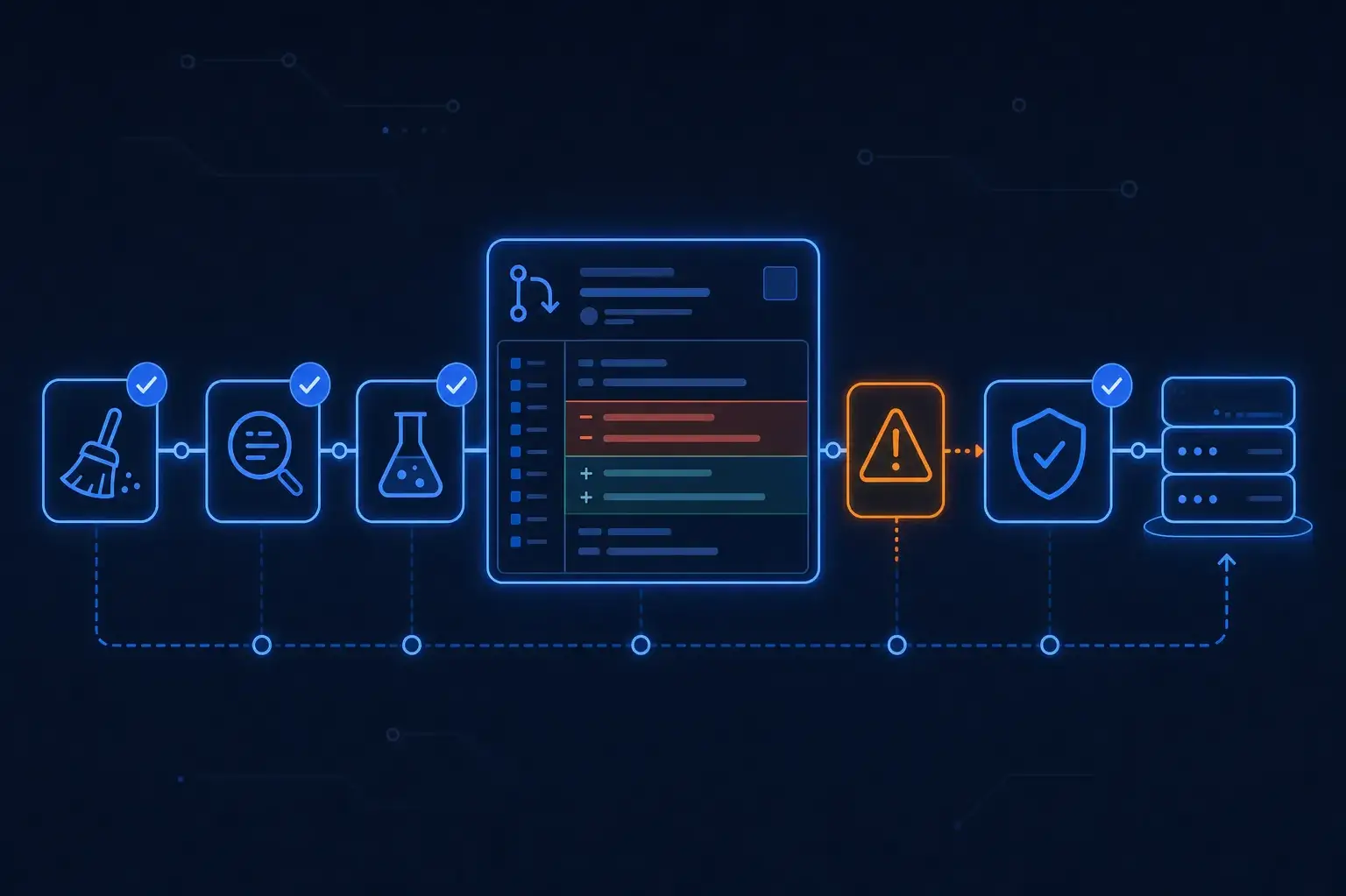
Ever had that sinking feeling when a bug slips into production? Or spent hours in code review arguing about formatting? The solution is simpler than you think: automate your quality checks.
Why Code Quality Tools Are Non-Negotiable
Quality tools aren't optional anymore. They're the difference between shipping with confidence and crossing your fingers. Here's why smart teams rely on them:
The Hard Numbers
- 60% fewer bugs reach production when using automated quality checks
- 50% faster code reviews when style is automated
- 30% less time spent fixing preventable issues
- 90% of code quality issues can be caught automatically before human review
The Real-World Impact
Quality tools transform how teams work. They catch problems in seconds that would take hours to debug in production. They eliminate endless debates about code style. They make large refactorings safe instead of scary.
The not-so-known Quality Toolkit
PHPUnuhi - Translation Guardian
Purpose: Validates translation files for completeness and consistency.
Why it matters: Catches missing translations before users see "translation.key.not.found" in production. Essential for international applications.
Key benefit: Professional multi-language support.
Composer Validate - Dependency Defender
Purpose: Checks package configuration for issues.
Why it matters: Prevents dependency conflicts and validates package structure before they cause problems.
Key benefit: Stable, reliable dependency management.
Deptrac
Enforces architectural boundaries and prevents layer violations. Stops controllers from calling databases directly or services from depending on presentation logic.
Key benefit: Maintains clean architecture automatically.
The Automation Advantage
The real power comes from automation. Run quality checks automatically on every commit, every PR, every deploy. Make them part of your CI/CD pipeline. If it doesn't pass quality checks, it doesn't get merged. No exceptions.
Teams with automated quality gates report:
- Faster onboarding for new developers
- More confidence when refactoring legacy code
- Fewer production incidents
- Better sleep at night
Getting Started: The Smart Approach
Don't try to implement everything at once. Start with the essentials:
Phase 1: Code formatting (PHP CS Fixer)
Phase 2: Testing (PHPUnit or improve existing tests)
Phase 3: Static analysis (PHPStan, start at lower levels)
Phase 4: Automated refactoring (Rector)
Phase 5: Specialized tools based on your needs
Each tool builds on the previous one. Each adds another layer of protection against bugs and technical debt.
The Bottom Line
Code quality tools aren't about being perfectionist nerds (okay, maybe a little). They're about:
- Shipping faster by catching issues early
- Sleeping better knowing bugs are caught automatically
- Focusing reviews on architecture and logic, not style
- Maintaining sanity on legacy codebases
Your future self will thank you. Your teammates will thank you. Your users (who don't see bugs) will thank you.
Essential Resources
- PHP CS Fixer - Code style fixer
- PHPStan - Static analysis tool
- Rector - Automated refactoring
- PHPUnit - Testing framework
- PHPMD - Mess detector
- Psalm - Static analysis alternative
- Infection - Mutation testing
- Deptrac - Architecture enforcement
- PHPMetrics - Code metrics and reports
Quality is not an act, it is a habit. - Aristotle (who definitely would have used PHPStan)
Enjoyed this?
Get new posts as they land.
Keep reading
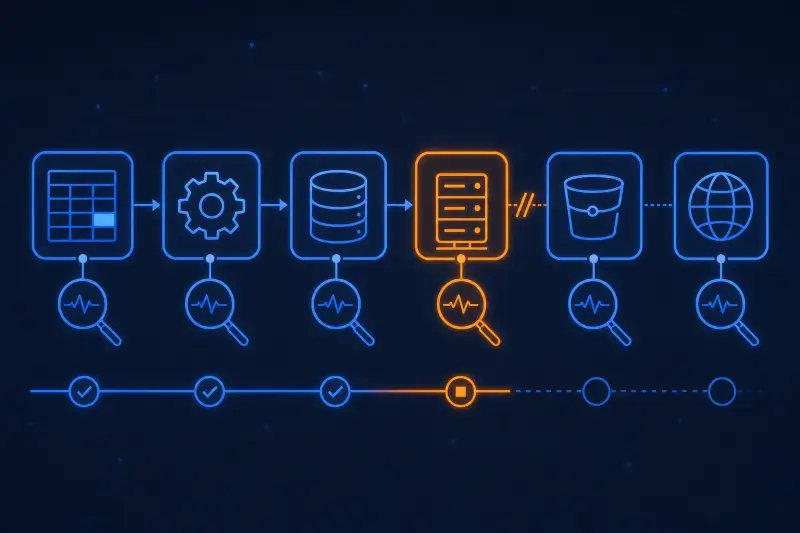
Proving Where Data Stops — How I Debug Multi-System Integrations
A shop field that never updates, a CDN that can't find its images, a sync that "randomly" skips entries. A method for multi-system integrations — instrument every hop, read the boundary evidence, hand over proof instead of opinions — with five real cases from the last weeks.
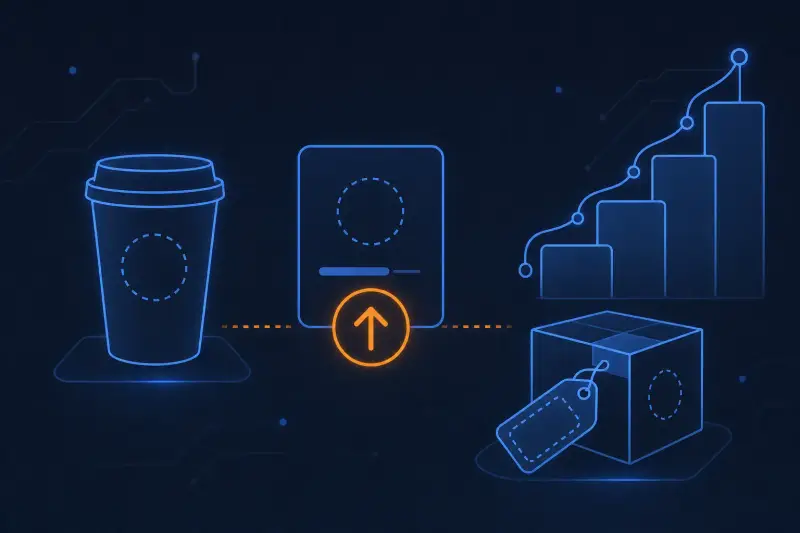
Personalized Products and Packaging Fees in Shopify
How I modeled printed cups with tiered prices and a logo upload in Shopify, and the options I weighed for passing a per-item packaging licence fee through to customers — with the pitfalls I hit.
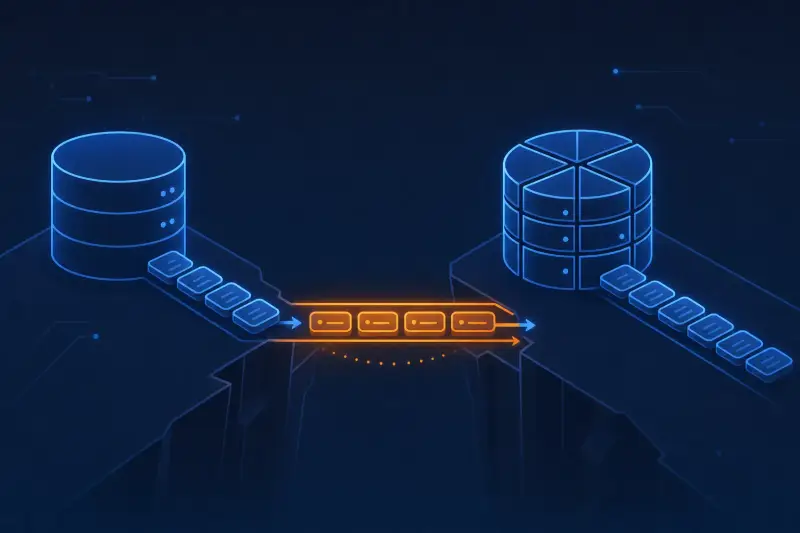
Upgrading pg-boss 10 → 12 When There Is No Migration Path
pg-boss 12 cannot migrate a v10 schema - v11 moved job storage to partitioned tables and the migration chain starts after that cliff. Here's how I upgraded a production job queue anyway - drop the schema, rebuild queue state from my own tables, and the job-ownership guard the rollout taught me to add.